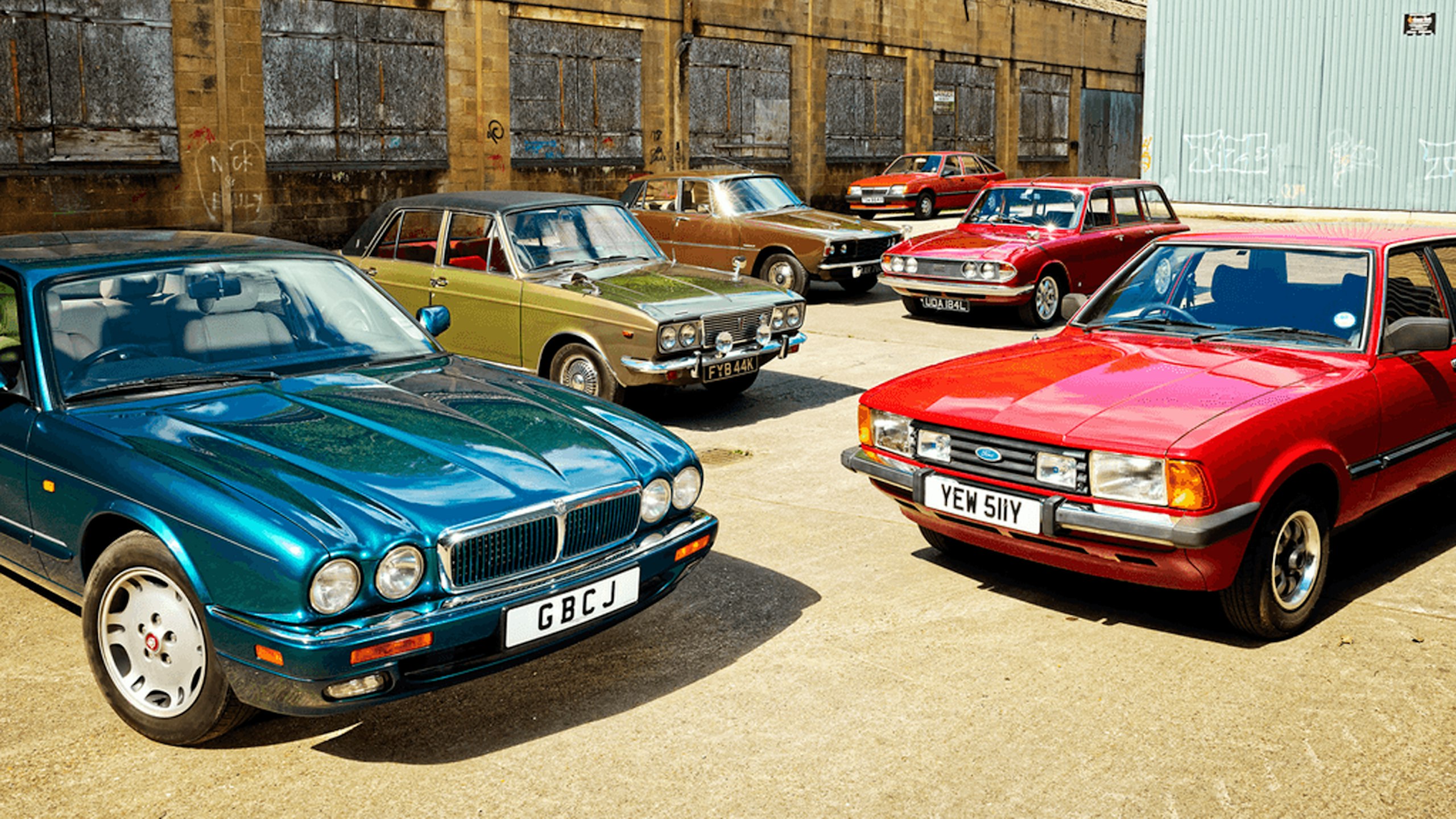
GIANT TEST
We asked you to tell us about the cars your dad loved the best. Here are the ones you nominated

WORDS DANNY HOPKINS, MATT TOMKINS & JAMES WALSHE PHOTOGRAPHY MATT HOWELL
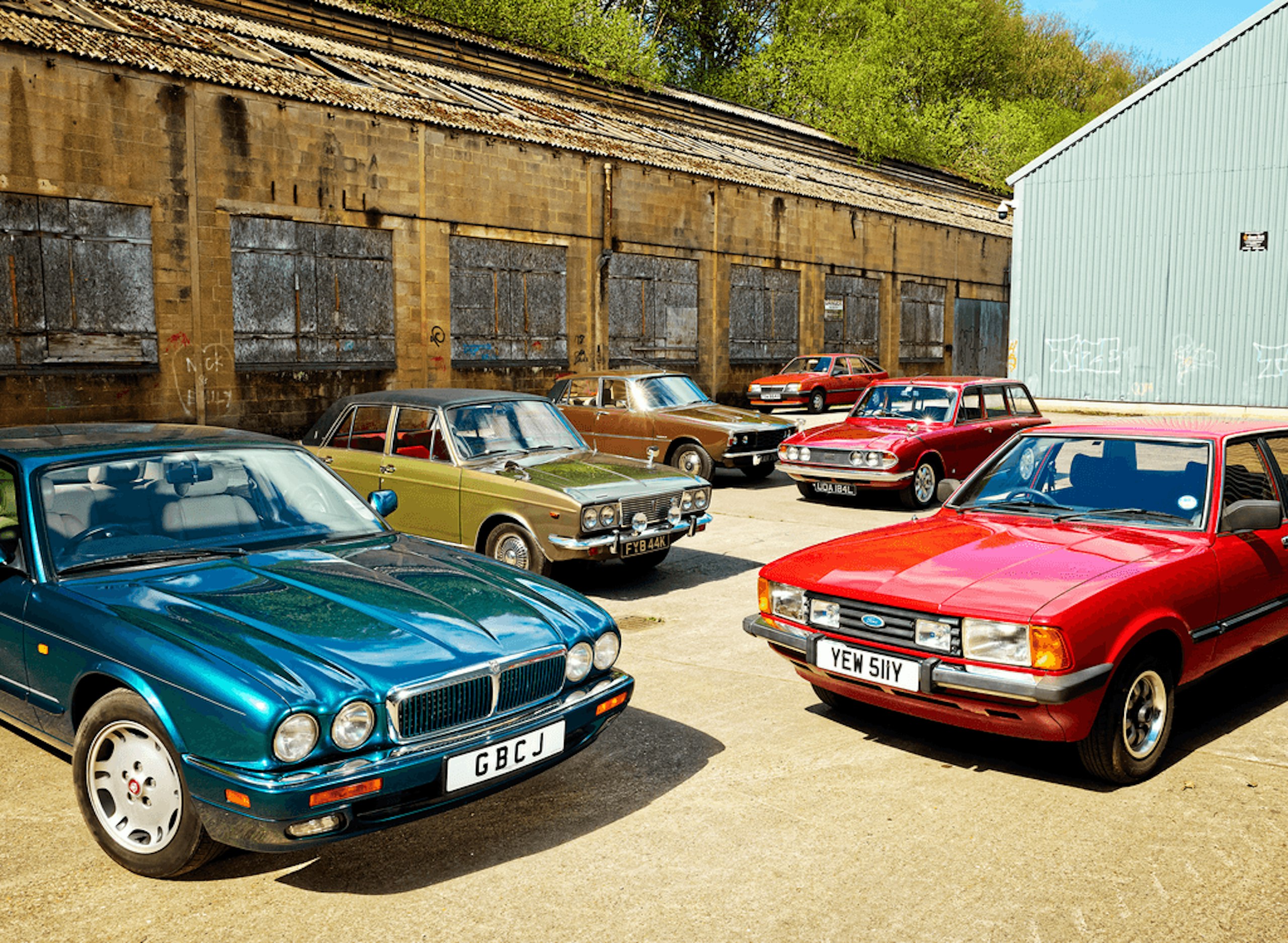
The cars our dads loved are many, varied and often attached to very specific memories. From what you’ve told us, dad’s favourite could have been his first car, his daily driver, wedding transportation, or simply that motor he always promised himself. This Father’s Day we are celebrating a variety of vehicles that became dad’s favourite. It doesn’t matter about technical specification, whether it had a good reputation or even sold well in Britain; if your dad loved it then it’s worthy of a place in the PC car park. We asked you to tell us which car your dad loved the best, you responded, and we crunched the numbers. Here are the results…

DANNY HOPKINS - FORD CORTINA MKIV
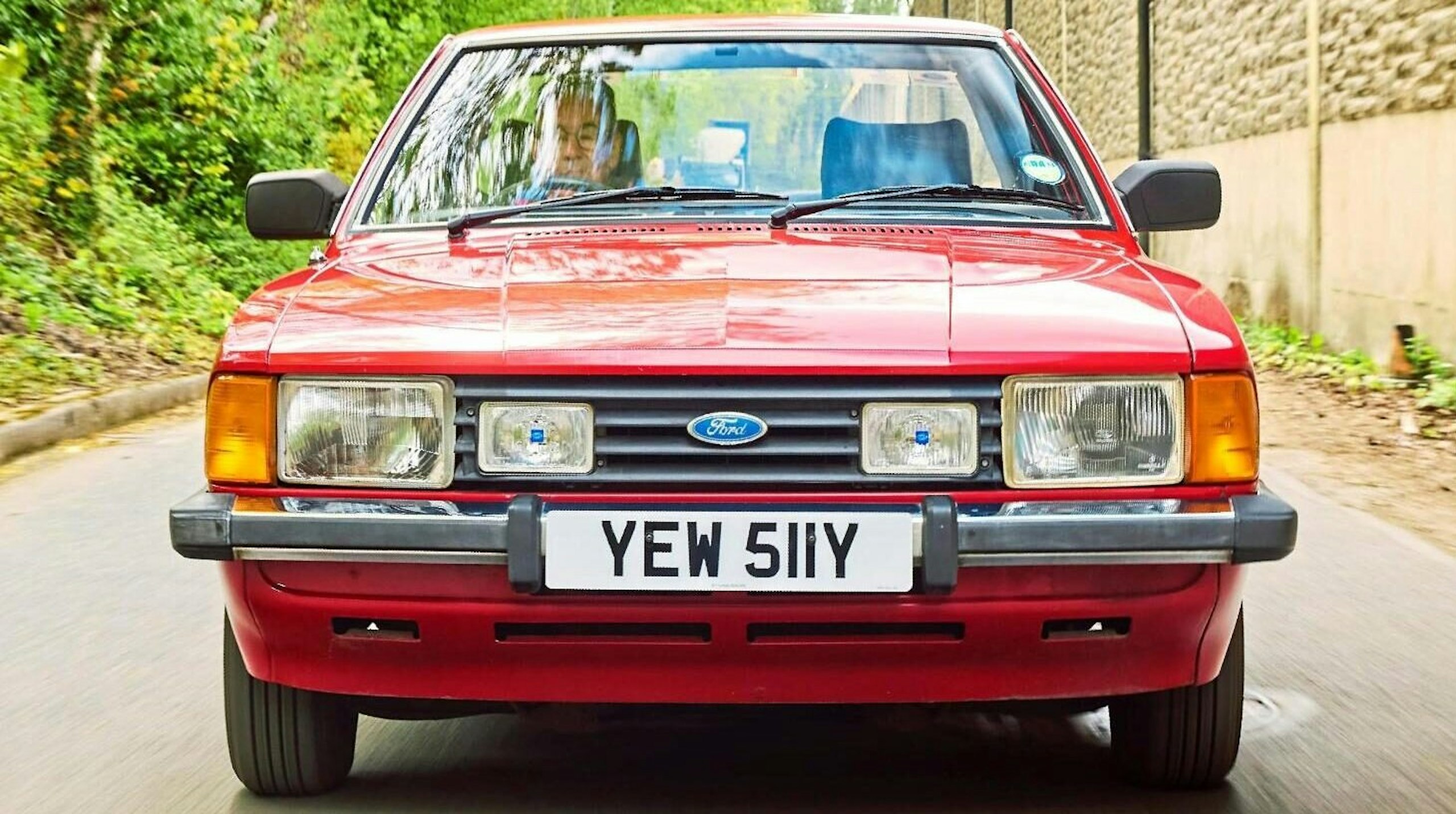
1978 FORD CORTINA 1.6L
Engine 1593cc/4cyl/OHC
Torque 75bhp@5500rpm
Torque 90lb ft@3000rpm
Gearbox 4-speed manual
Top speed 94mph
0-60mph 13sec
Economy 32mpg
This is the winner, the ‘best’ dad car PC readers voted for ahead of the rest. But why? The MkIV is the final incarnation of the legendary name – and it was also Britain’s best-selling car from the moment it was launched in the UK in September 1976. Popular but also trendy enough to be loved by both dads and kids? That is some achievement. Maybe it really is time to celebrate the ‘boxy one’.
The Cortina comes from an era that’s infused with nostalgia for a large number of petrolheads – the late Seventies – and it perfectly balances practicality, character, and understated cool in a way the competition never quite managed to achieve. Simple enough to fix on a weekend, but stylish enough to turn heads on the school run. The Austin Princess was technically more advanced, but… was it quite as cool?
‘It was the unfashionable one, but is having its time in the sun’
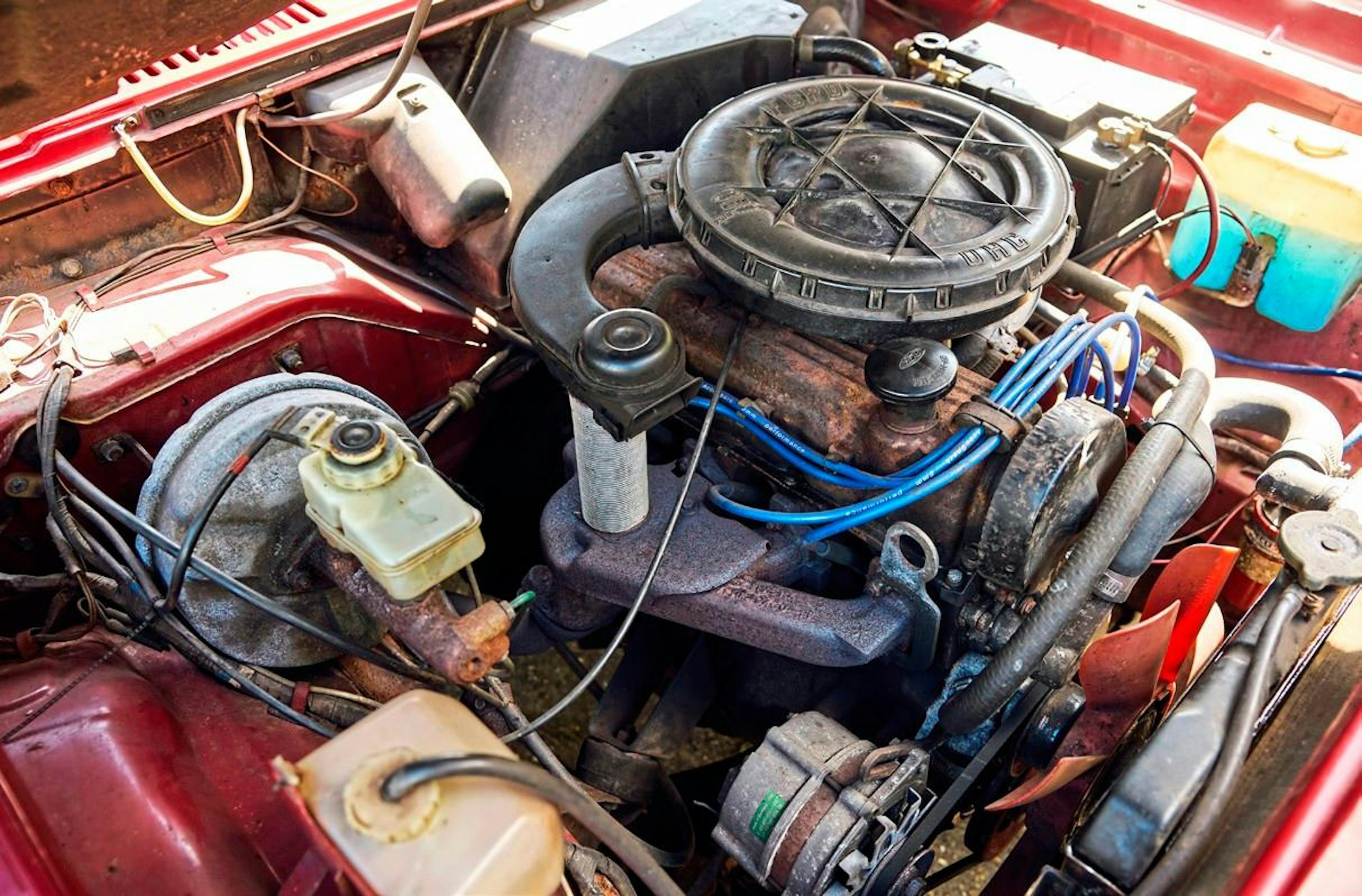
Options for every salary bracket.
Obviously the Cortina MkIV was designed with families in mind, it was practical and good to drive, exactly what a dad needed when juggling daily life, but the driveway chic was also strong. Boxy it was, a no-nonsense design that still had presence. And that’s why my dad was tempted out of his beloved Austin 1800 and into a MkIV in 1980.
The styling of Patrick Le Quément worked its magic and turned dad’s head. I was excited too, because my best mate Stuart’s dad had a Consul GT – a former police car no less – so I was about to join him in the cool club.
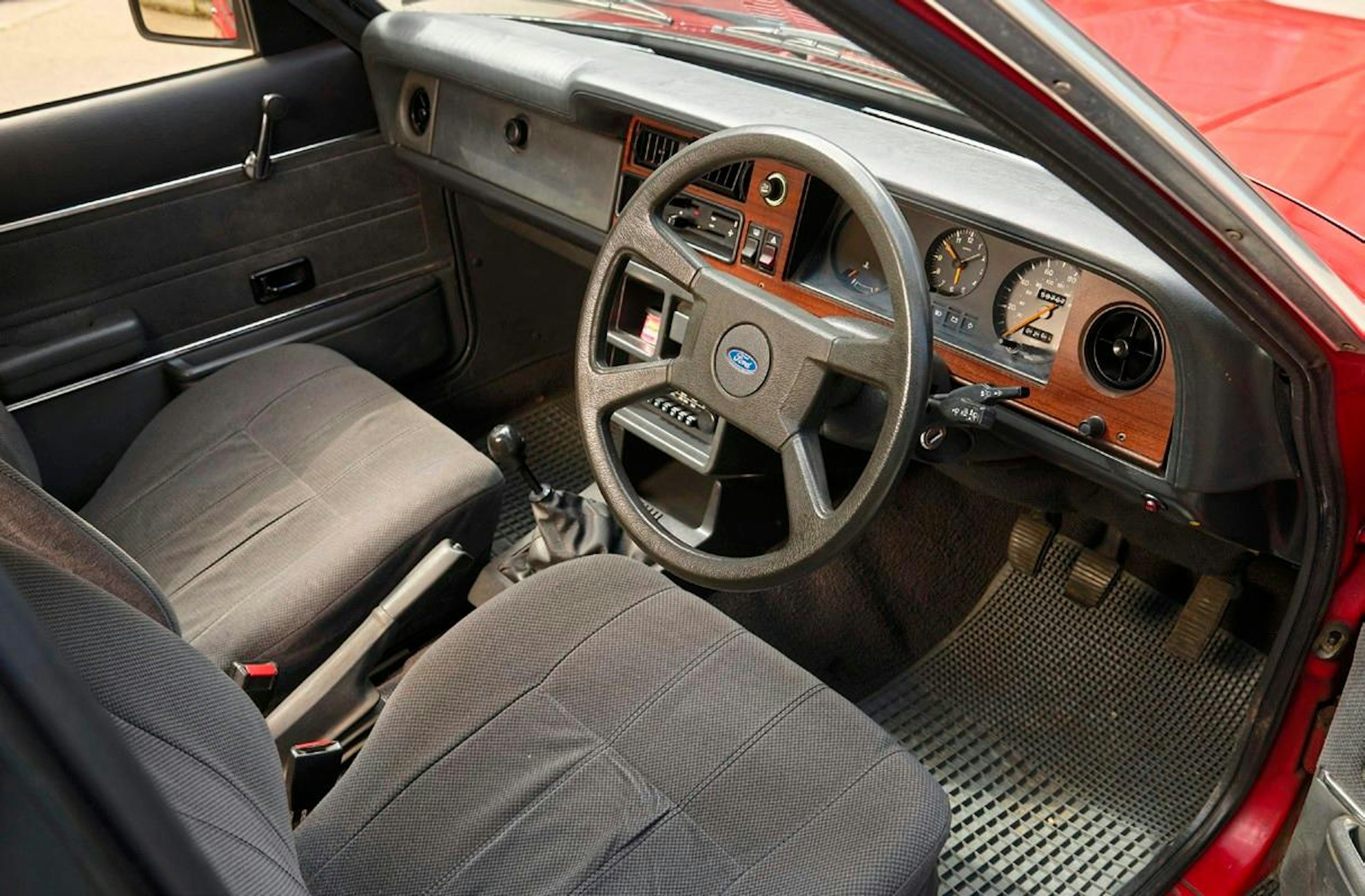
Simple but stylish.
The Cortina MkIV was available in base, L, GL, S, and Ghia trim, with a wide range of engine options. It was offered with the 1.3-litre OHV Kent-derived power unit, the 1.6-litre and 2.0-litre Pintos and the range-topping 2.3-litre Cologne V6. Imagine my disappointment when I looked at the back end of the car we had gone to pick up (I always went with dad to get a new car). It was a 1.6 L. Practical and frugal… and not a V6.
The MkIV had a short production run – around 600,000 were made in three years at the top of the charts. It remained Britain’s best-selling car until its final days. Some 1,131,850 MkIV and MkVs were built, and even in its last year, with the Sierra being pushed hard for the final quarter, the Cortina sold 135,745 examples to finish second overall in the year, with 8.7 per cent of the market. Production ended on 22 July 1982, and for years the ‘boxy’ one has been the least fashionable of the Cortina family… but now, you have proved it is having its time in the sun. The MkV’s improved rustproofing has helped more of them survive by comparison, but both remain astonishingly rare on British roads – the definition of a car that was once everywhere and is now nowhere. Perhaps that’s why the nostalgia is strong.
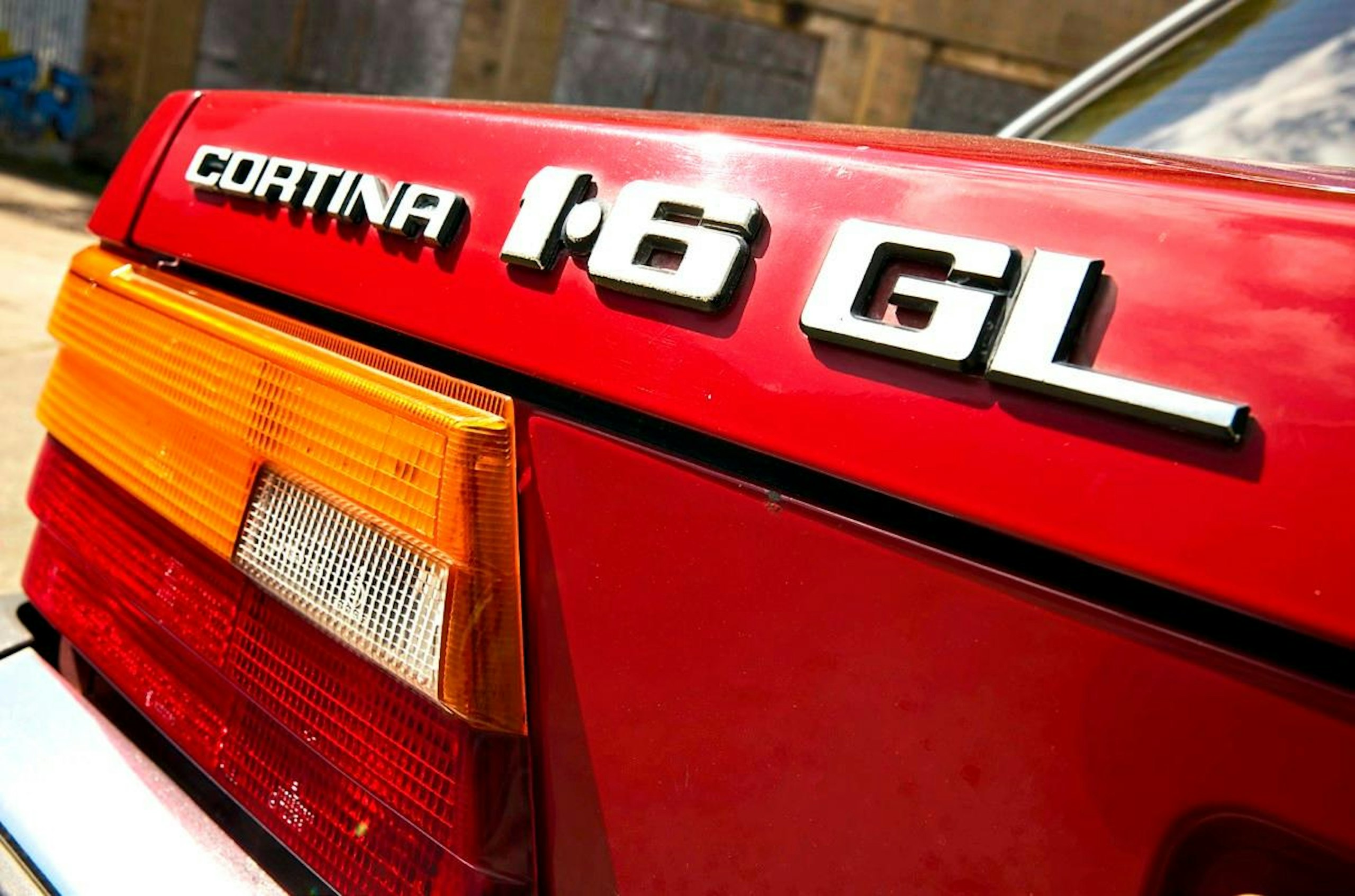
Trim level was everything.
OWNER VIEW
DANNY HOPKINS, ON BEHALF OF GREAT BRITISH CAR JOURNEY
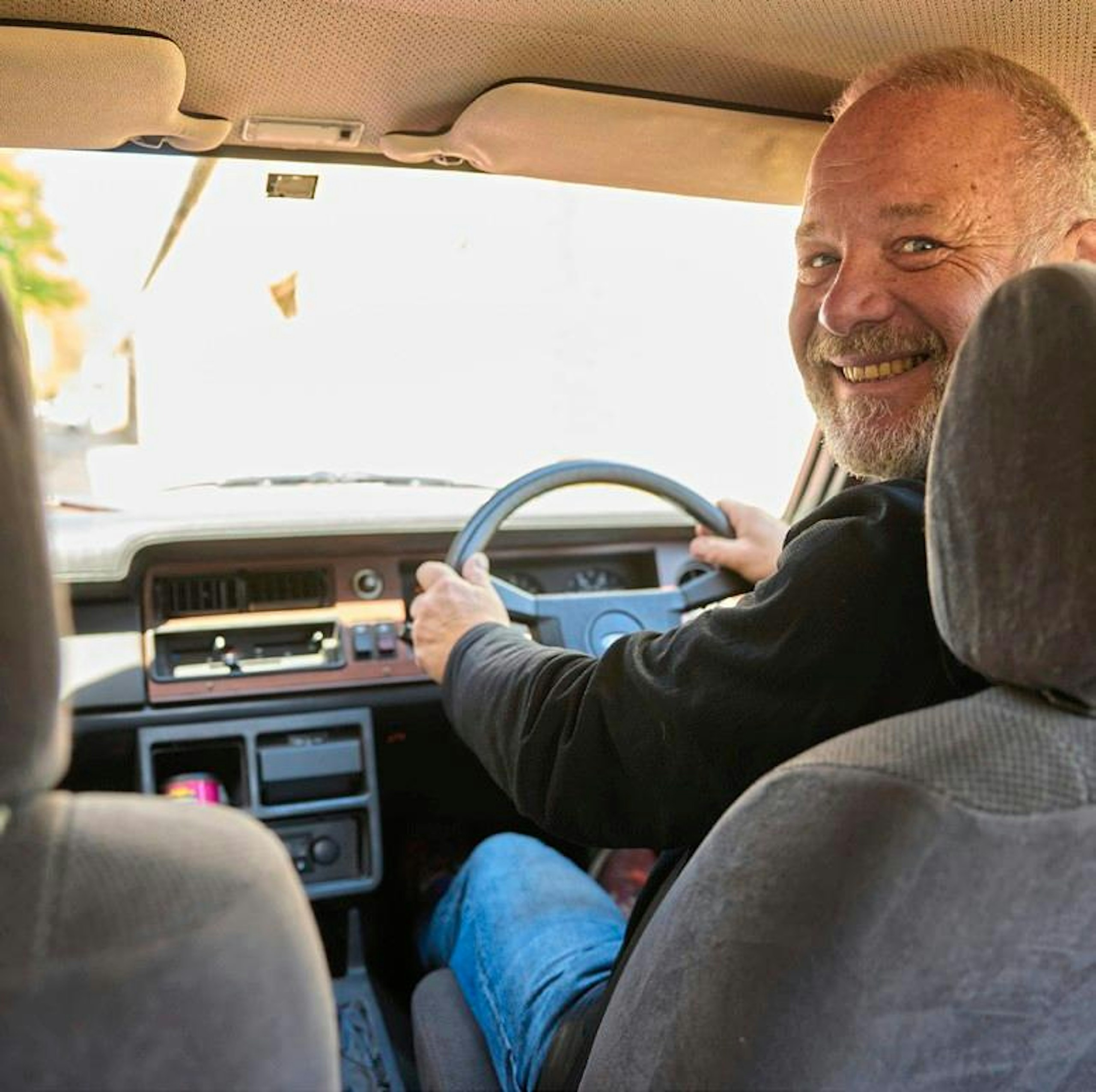
You alright there in the back?
1980 FORD CORTINA 1.6 GL
Well, the owner of this car is the very excellent Great British Car Journey museum in Ambergate, but having had a dad who owned one I feel qualified to talk about it. Dad owned two Cortina MkIs in the mid-Seventies and then went back to a MkIV in 1980 after a pair of Austin 1800s… which he loved. The 1.6 L did two holidays and was used hard. Dad loved its practicality and style, but most of all he loved how it drove. It boasted a snickety gear change, positive steering and predictable rear-wheel-drive road-holding.
YOUR CORTINAS
Brand loyalty was especially prevalent in Ford circles – and still is. There are few badges that bring the generations together. Fords played a big part in the life of Paul McCormick’s dad, who owned examples of the 100e and Zephyr, but very much loved his Cortina. ‘It explains why I probably collect Fords myself!’ he told us. Andy Plumb’s old man drove a 1980 Primrose Yellow Cortina 2.0GL with beige Ghia seats, which he specced new as a company car.
Andy wasn’t impressed by what replaced it though. ‘It was a 1983 Sierra 1.6 Ghia that fell apart’. Meanwhile, Richard Taylor told us he learned to drive in his dad’s Cortina 1600GXL and cut his mechanical teeth on it, and for David Short and his dad, it was all about the Cortina 1600E. Nick Hollingworth says his dad’s favourite was a Cortina MkIV 2.3 V6 Ghia. ‘He was so upset when the company replaced it with an Austin Ambassador.’

ROVER P6 - JAMES WALSHE
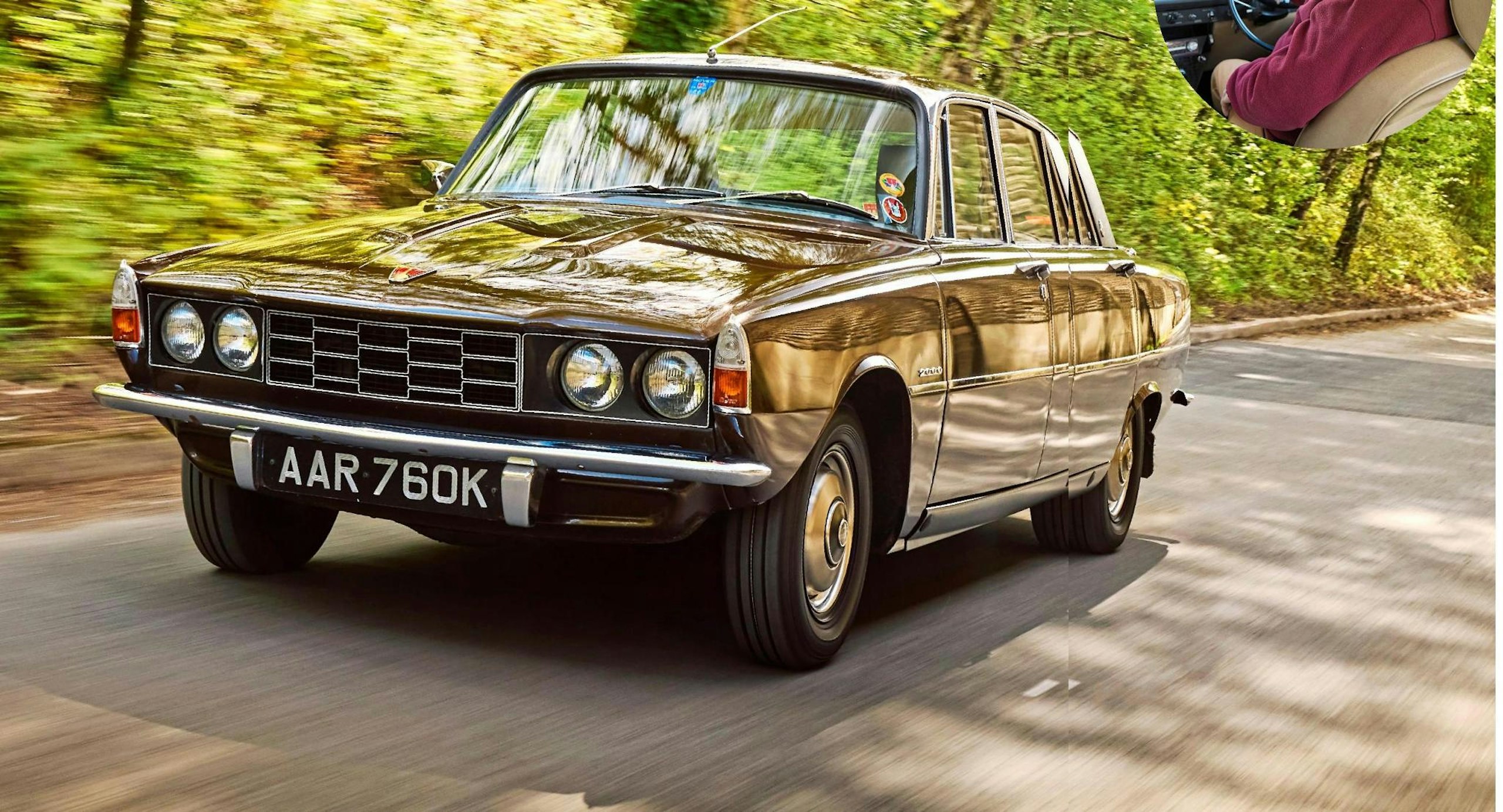
1971 ROVER 2000
Engine 1978cc/4-cyl/OHC
Power 89bhp@5000rpm
Torque 108lb ft@2500rpm
Gearbox 4-speed manual
0-60mph 14.7sec
Top speed 104mph Economy 25mpg
With the jet age in full flight, Concorde around the corner and astronauts regularly orbiting the planet, the early Sixties was the perfect moment for Rover to unveil its innovative new 2000. Dads everywhere were delighted – they got their very own spaceship. It wasn’t quite as outlandish as the car that inspired it – designer David Bache was a fan of the Citroën DS, but he made sure his executive express was a little easier for families to fathom. Nevertheless, Rover made bold claims at the P6’s launch: ‘It is more than a car, it is an integrated motoring system’.
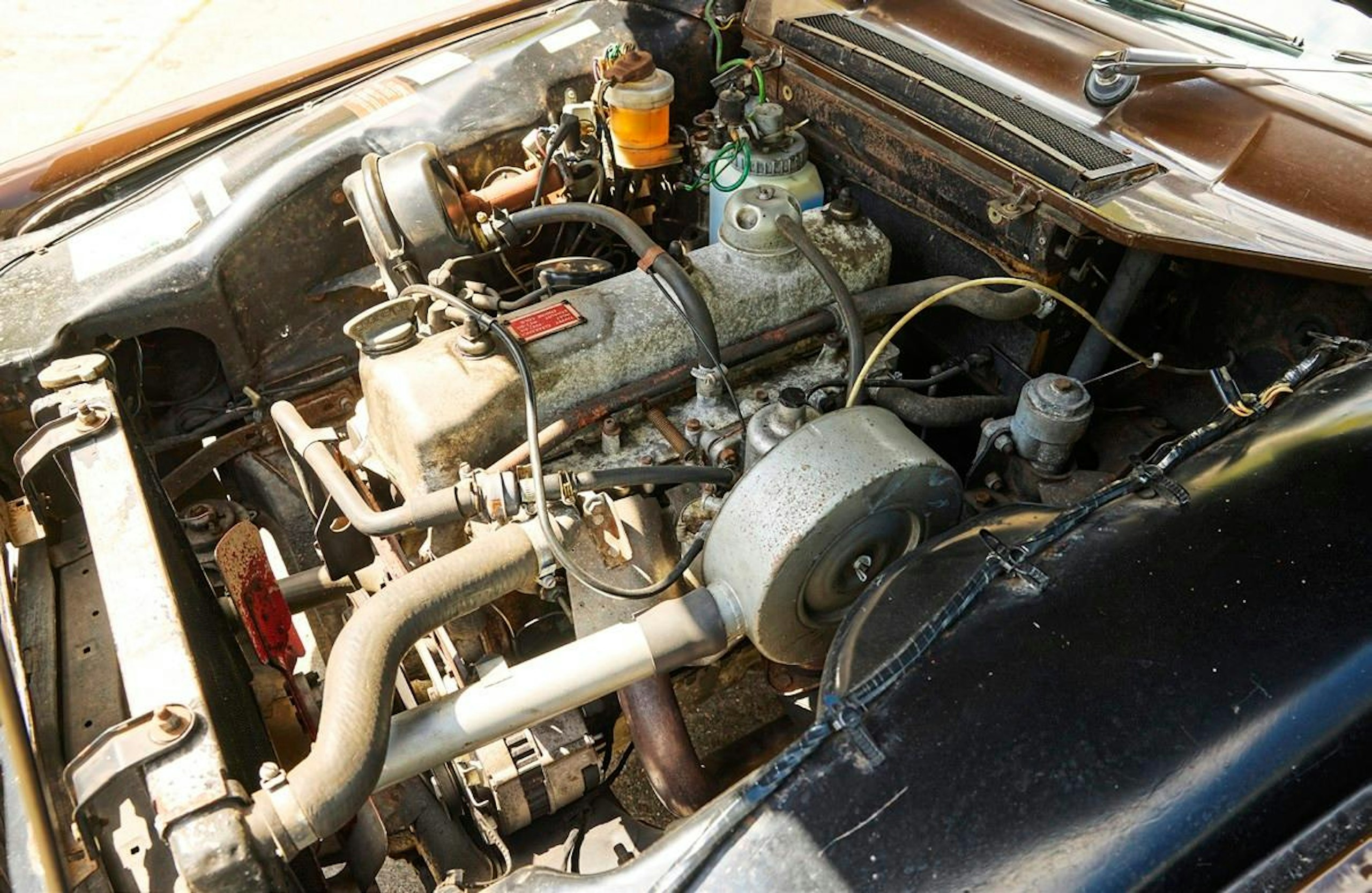
Many preferred the four-pot.
Rover was in courageous mood, also mooting a future gas turbine version. The advanced P6 was a unibody design with bolt-on non-stressed panels, four-wheel disc brakes and clever suspension featuring de Dion tube at the rear, configured for superior roadholding. Dads across the land went wild for it, enjoying its comfort, road manners and the car’s ability to conquer Britain’s new network of motorways – the 1978cc engine was developed to run all day long at high speeds.
‘Dads doing well were straight down to their local dealer’
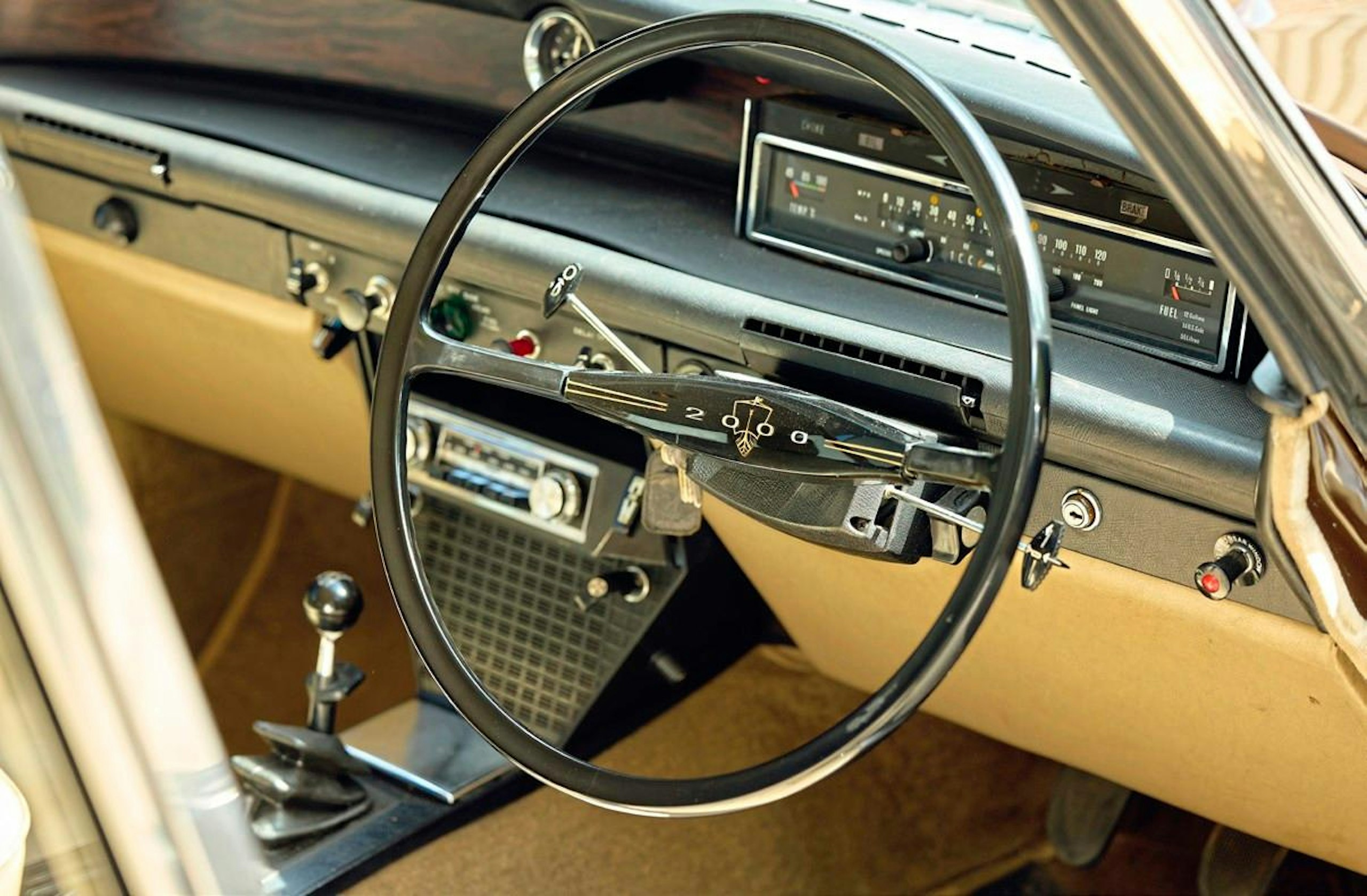
Truly elegant cockpit.
To the delight of dads – and no doubt their car-loving kids – Rover unleashed a twin SU carburettor model, the 2000 TC, in late 1966. It was only a matter of time until the option of an eight-cylinder model came (the P5 saloon and coupé were sold alongside the P6 until 1973, but at a premium price). Dads doing well were straight down to their local dealer from April 1968, when the first batch of 3500 models rumbled off the transporter. A four-speed manual version – the 3500S – turned up in ’71 and ruffled the feathers of jealous neighbours with its brushed stainless steel wheel trims and vinyl roof in either ‘Huntsman Brown’ or ‘Ebony’. By then, families were being wafted around in the P6 MkII.
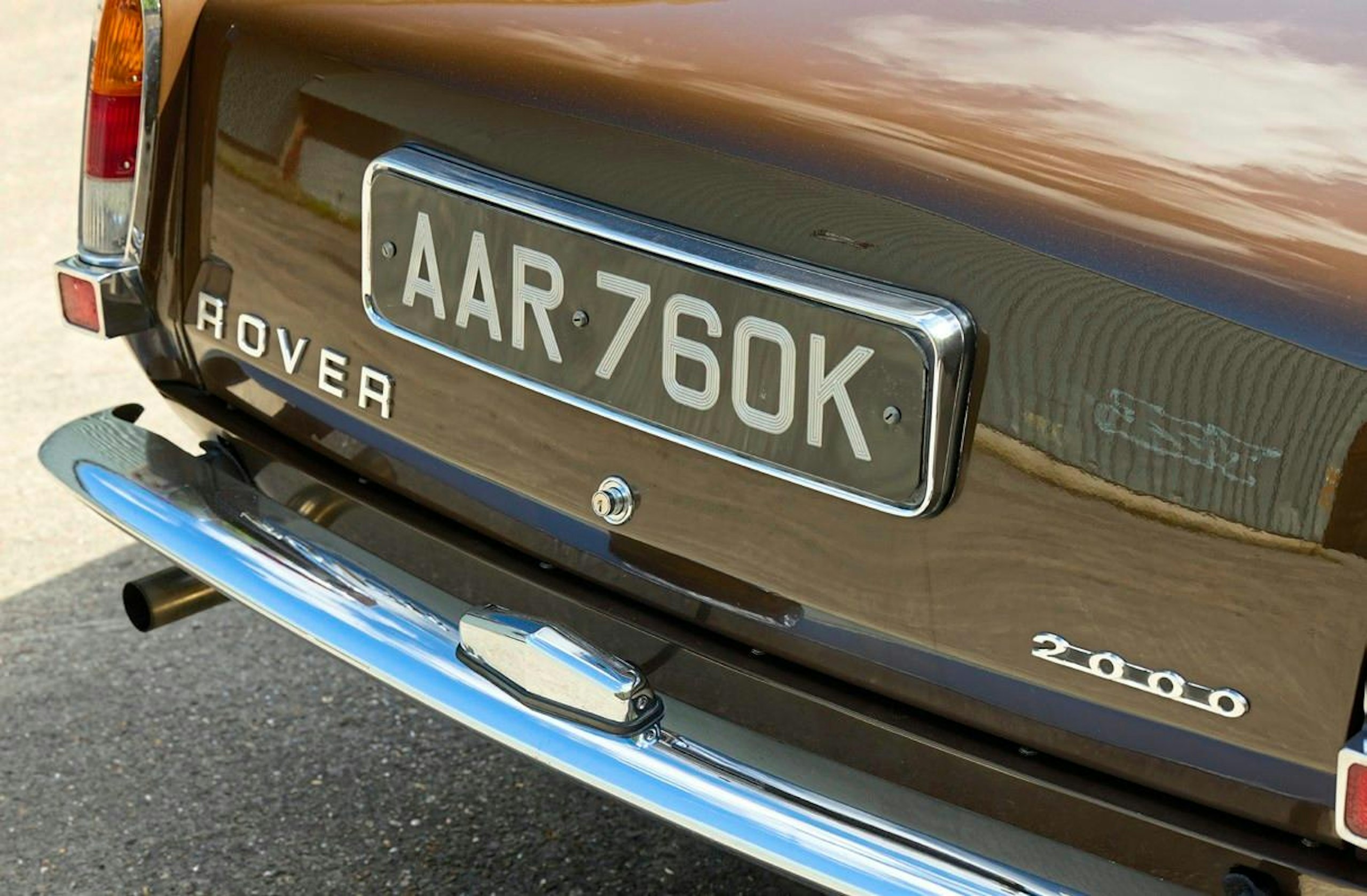
Ahead of its time engineering-wise.
Step aboard and there’s an instant sense of occasion and a feeling of space – helped by that low-set dashboard shelf, slim pillars and wraparound ’screen. The seats are comfy too – whether dad chose the box-pleated Ambla vinyl, leather or brushed nylon upholstery. But it’s the driving experience that surprises most; the P6 feels well damped with a Jag-like ride, but light on its feet and responsive, even in a four-cylinder single-carb model like this one. The 2000 was upgraded to 2205cc from 1973 and continued to be sold until 1977 (alongside the V8 SD1) but the difference never seems that noticeable and while there’s appeal to the 3500’s fruity sound, I’ve always liked the four-pot. Dads of the Sixties and Seventies did, too. As did dads of the Eighties and beyond, as the P6’s removable panels and ease of maintenance meant they could repair their family motors without drama – long after other family saloons had gone to the scrap yard.
OWNER VIEW
NEIL CASTLE, CAISTER, LINCOLNSHIRE 1971 ROVER 2000SC
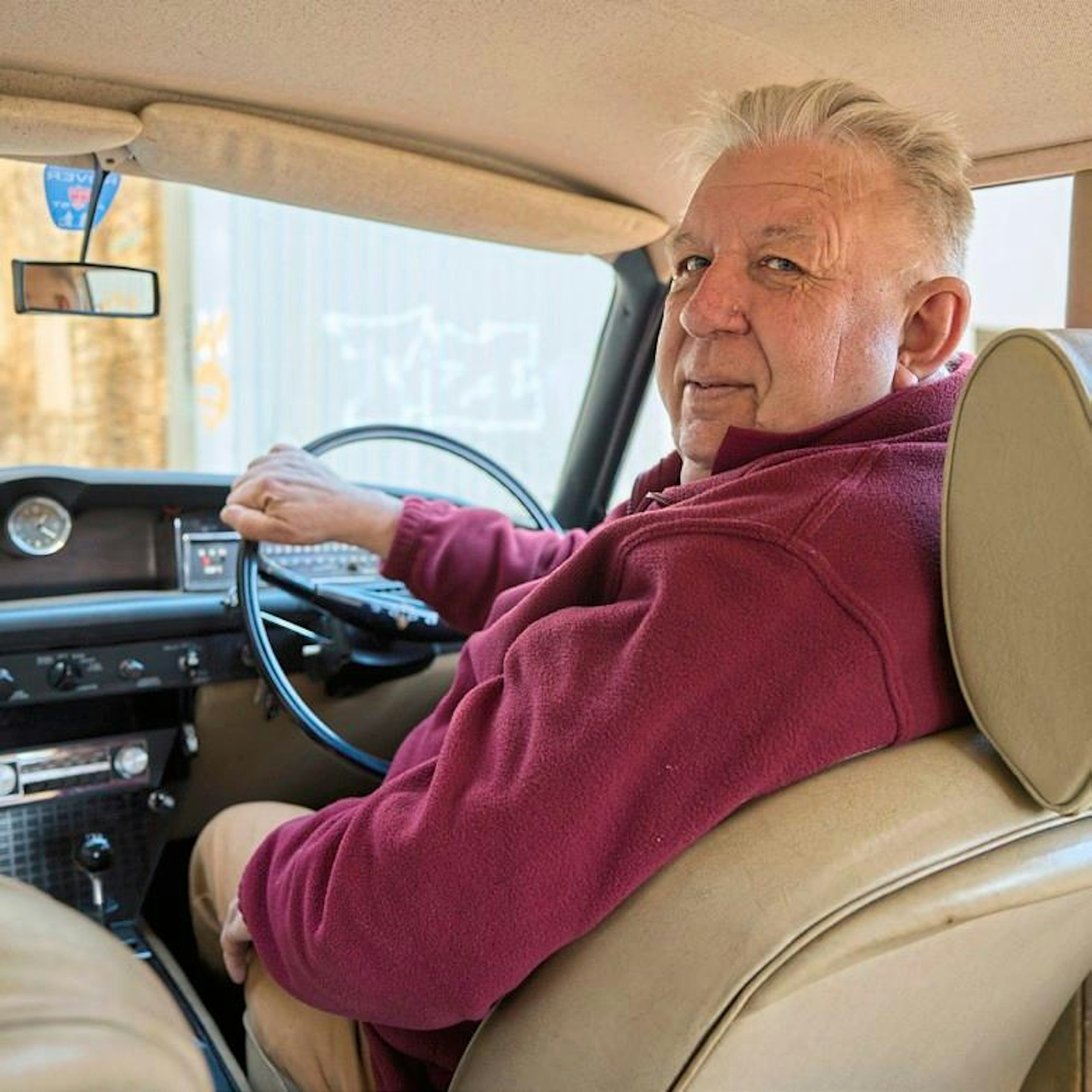
Will you leave your brother alone please?
The previous owner was going to Scotland and felt he couldn’t subject it to the Scottish weather. I took it for a test drive and was smitten. It’s Mexico Brown with the leather interior so it’s a kind of Mk1.5 really. It’s still got the older gearbox and the the older fuse box and so on. It’s going off to a young chap called Joshua Towson who’s going to borrow this for a whole year as part of the Borrow a Classic scheme we have been discussing within the Rover Sports Register – I got fed up waiting for the scheme to come together so I said, right, I’m going to lend one of mine. It’s a great scheme and this is the right car for it. We’re also giving him free RSR membership for a year and free entry to our national rally.
YOUR ROVER P6
The 1974 fuel crisis took the sheen off the Rover 3500 of a certain Mr Gray. His son Chris told us the car wasn’t very economical. ‘I think dad’s V8 got around ten to the gallon driving round town’! Andy Flowerdew commented to say his dad wasn’t keen on his 3500 automatic either – instead preferring the 4-cylinder P6. Gaby Lipscomb’s dad chose a 1969 burgundy Rover P6 2000TC with wire wheels, wooden steering wheel and gear knob and mudguards, while Richard Zahra’s father bought himself a 2000 TC new in the same year. ‘He kept it in pristine condition until he passed away in 2015,’ Richard told us. ‘I inherited it and have cherished it since.’ It’s a similar story for Eddie Ritchie, who explained to us his yellow Rover 2000 is a cherished car for good reason. ‘Dad passed away last year but I promised to keep the car going, and I will’.

TRIUMPH 2000/2500 MATT TOMKINS
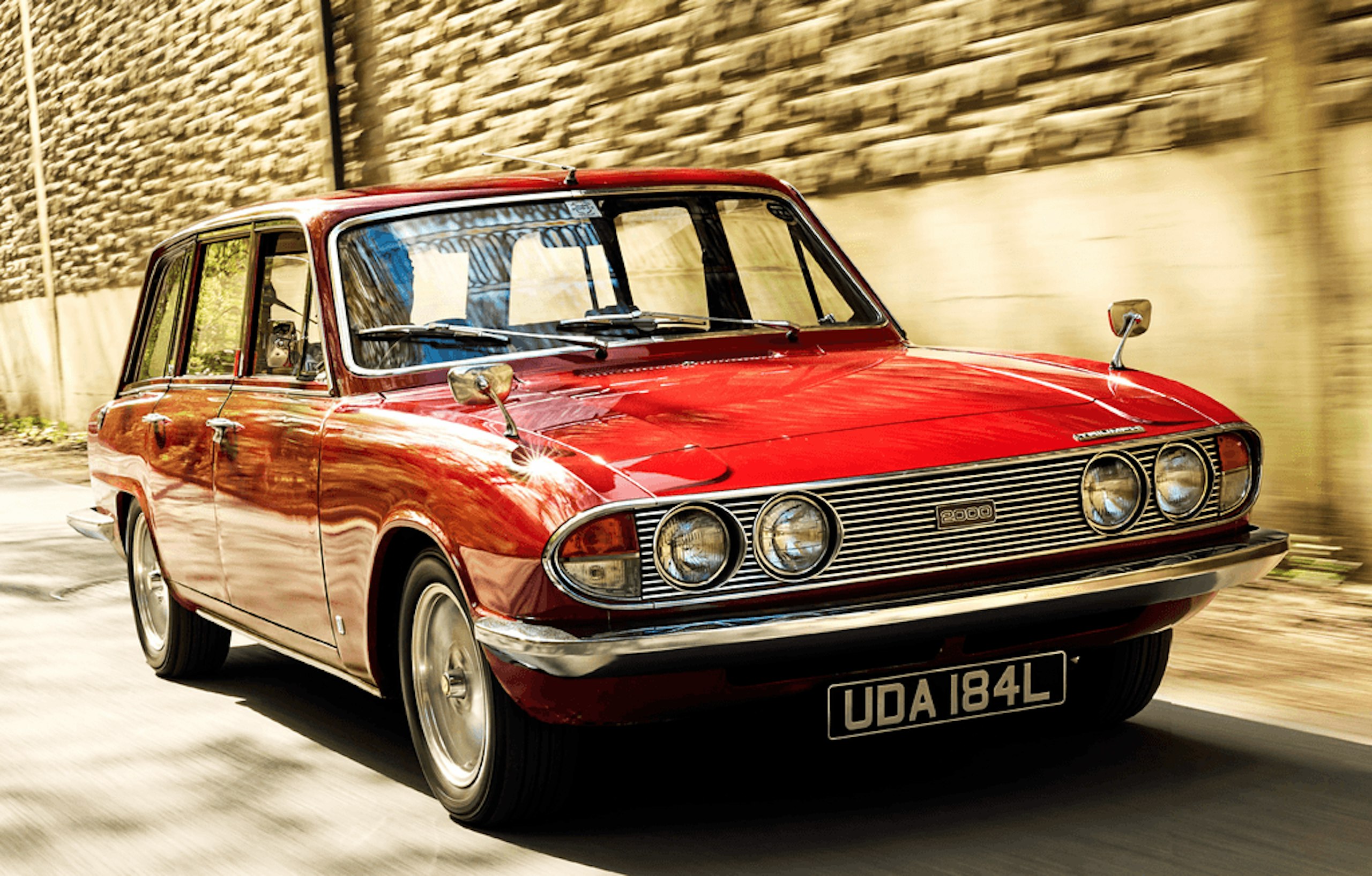
TECH SPEC
Engine 1998cc/6-cyl/OHV
Power 84bhp@5000rpm
Torque 100lb ft@2900rpm
Gearbox 4-speed manual + o/d
0-60mph 14.9sec
Top speed 98mph
Fuel economy 25mpg
When Triumph launched the 2000 in October 1963, it landed squarely in a growing, aspirational market of dads who wanted more than vinyl seats and a column change. This was the era of the Rover P6 and the last of the big Farinas; the Ford Zephyr and Vauxhall Cresta still traded on size, but Triumph offered something altogether more modern. Styled by Michelotti and featuring unitary construction and independent rear suspension, the 2000 was the thinking dad’s exec saloon – and a rather clever family car into the bargain. It remains handsome-looking today, while the IRS helps a well-sorted one float over 2026’s potholed roads with aplomb – a great advantage over many of its live-axle classic contemporaries.
For dads of the mid-Sixties, the Triumph 2000 ticked every box. It had space for five in genuine comfort and a vast boot, plus that silky straight-six up front. Early cars made a modest 90bhp, but what mattered was the smoothness. This was a car that would waft to the seaside rather than thunder there. Wooden dash, deep-pile carpets, and enough chrome to reassure the neighbours that you’d done rather well today invoke a sense of classic class and prestige which punches well above the 2000s still-accessible values.
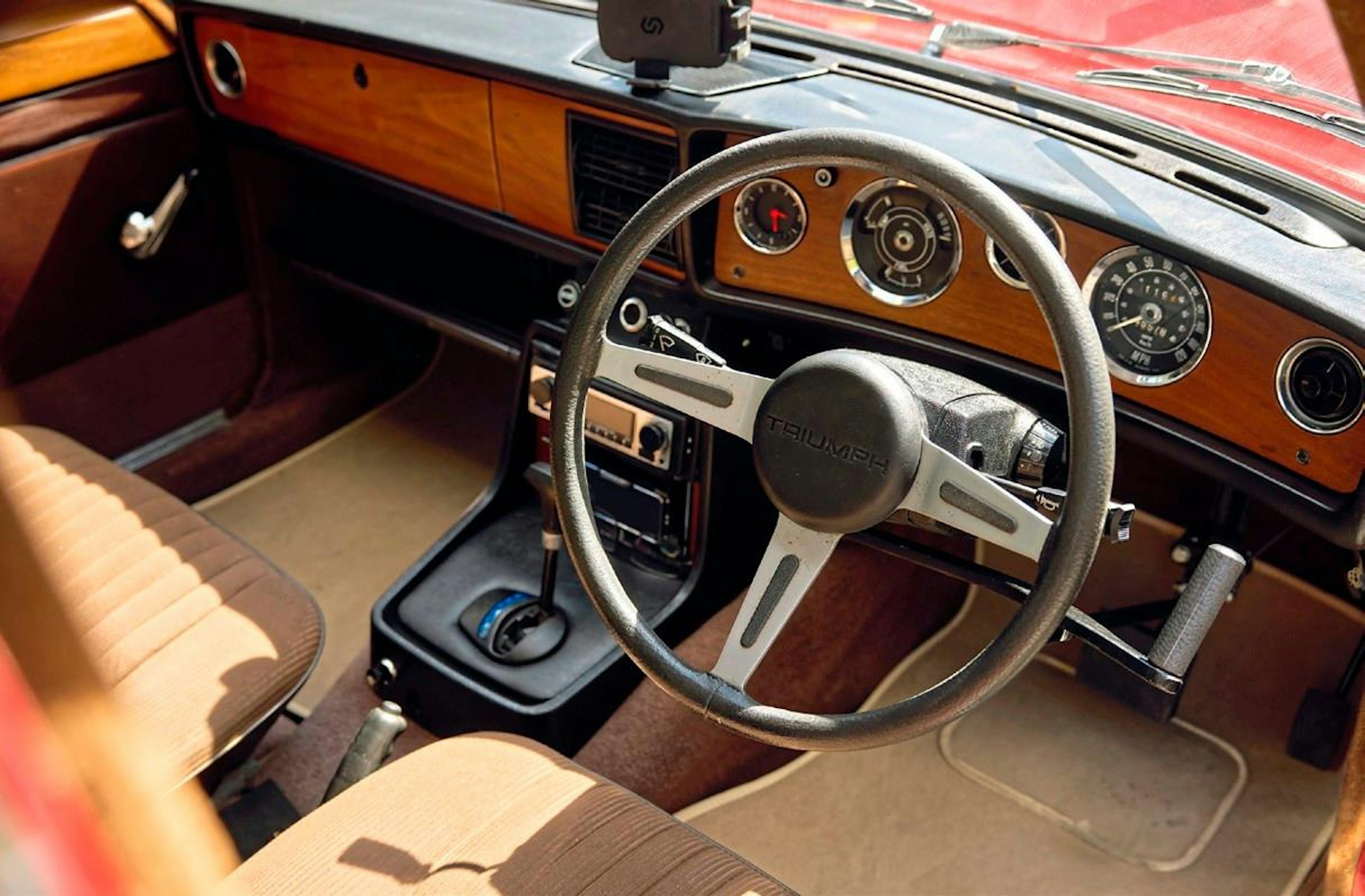
Steve’s 2000 has hand controls.
By the Seventies, the 2000 – and later 2.5PI – had become part of the fabric of British family life. In a decade of strikes and three-day weeks, it was the sensible alternative to flashier fare. The MkII facelift of 1969 sharpened the lines and modernised the cabin, while the fuel-injected 2.5PI added real pace for those who fancied embarrassing a Capri at the lights.
What makes the 2000 such a compelling family classic today is that it still does that job so well. Values remain sensible, and parts support is strong thanks to an enthusiastic club network. The straight-six remains a highlight: torquey, tuneful and robust if well-maintained. Overdrive transforms it into a relaxed motorway cruiser.
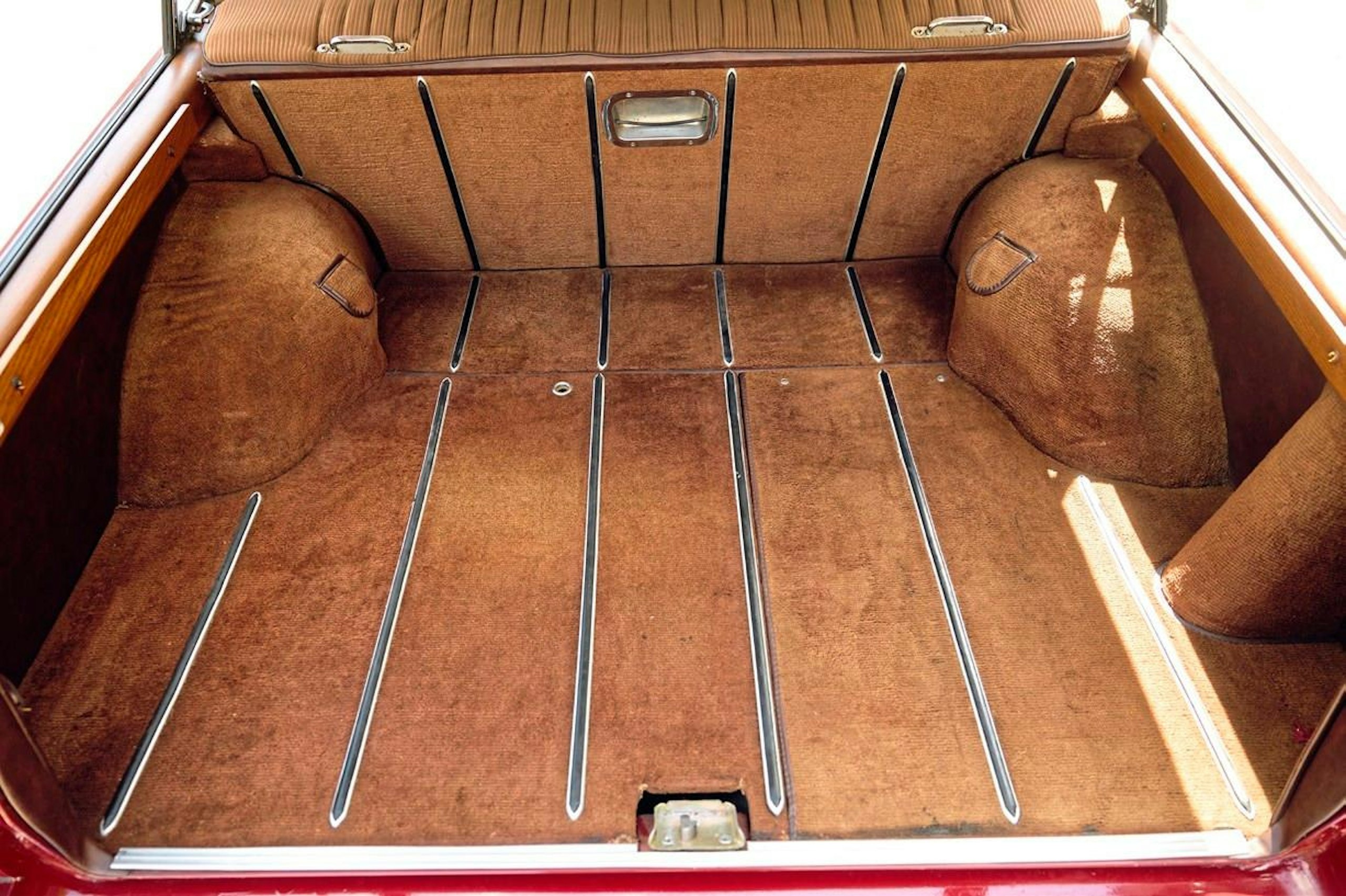
That’s room for all the family.
For today’s dads introducing their children to classic motoring, the Triumph strikes a perfect balance. It’s big enough to feel special, but not so precious that you’re terrified of ice cream on the back seat. There’s room for child seats, space for camping gear – and a vibrant club scene encouraging such things – plus enough presence to spark conversation at any show.
Yet it’s also usable: decent visibility, light steering, and mechanical simplicity that enables precious sessions of father-son/daughter spannering. The estate variant here today could well be the ultimate in terms of transporting children, dogs and the week’s shop in a proper, chromey, family classic, but even the more ubiquitous saloon is a truly practical classic. The importance of this ability to share proper motoring with the family cannot be underestimated.
‘The Triumph 2000 was the thinking dad’s executive saloon’
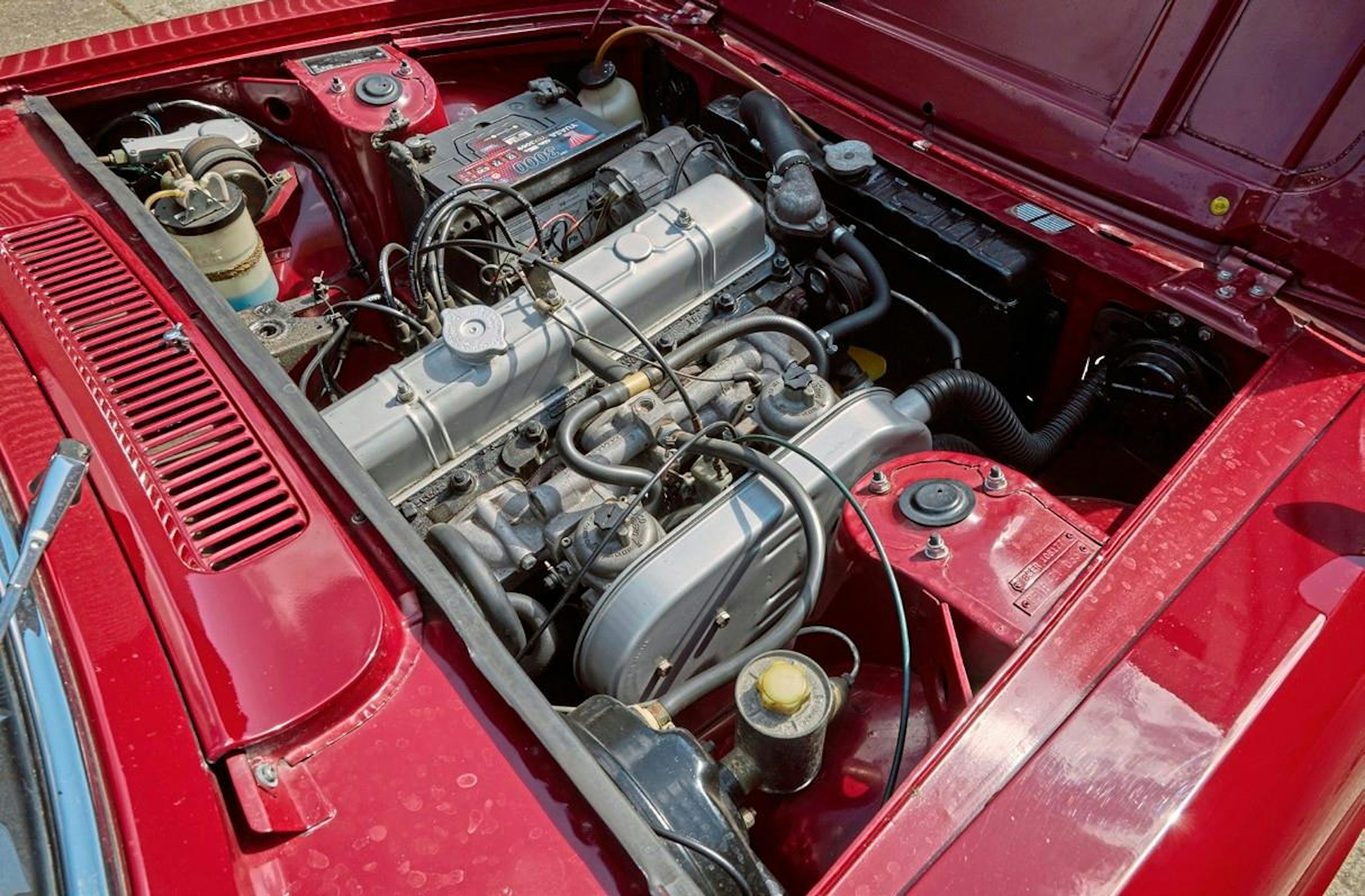
Silky ’six purrs on longer trips.
OWNER VIEW
STEVE POWICK, STOURBRIDGE
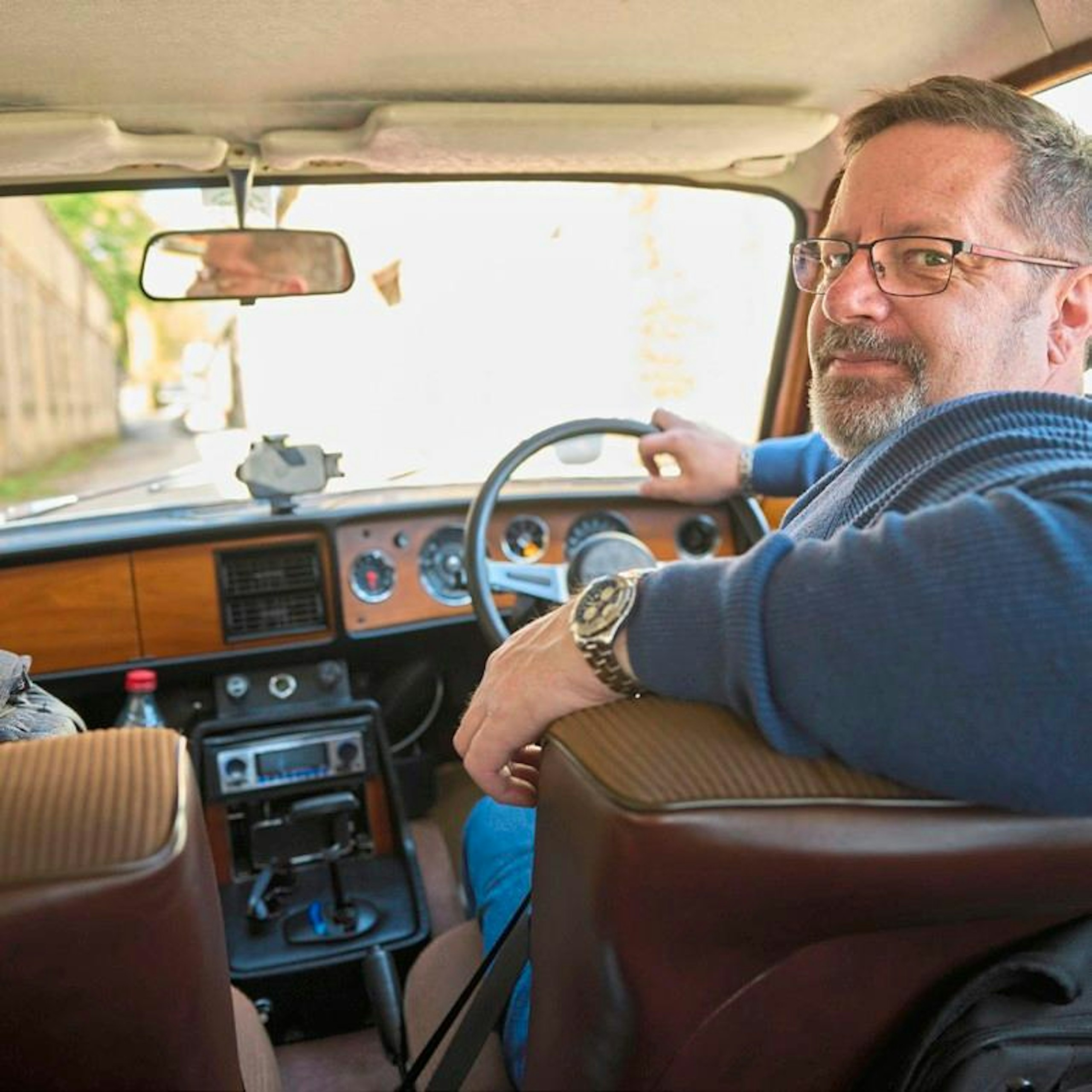
Steve says his 2000 saved him.
1973 TRIUMPH 2000 ESTATE
I just wanted to go back in time to a simpler car; it took about five years to find this one. I’ve got a MkII saloon that I’ve owned for 28 years that’s been resto modded. This car was registered four days before my saloon. It has been adapted to my needs with hand controls; I had a motorcycle accident in 1997. I could have had a motability car, didn’t want one, so I bought my saloon, and that car kind of saved me. It got me thinking that I was still ‘me’. My earliest memory is of my granddad’s MkII. Going on holiday, down to Pendine and Tenby. So, it’s the sound of the engine. It’s the smell of the cars. The way they drive.
YOUR TRIUMPH 2000
Jamie Beynon’s late father, Mike Beynon, loved his Triumphs. ‘I remember how chuffed he was when we travelled to Bristol to buy Triumph 2000 2.5 PI Estate – one of the last ones.’
Roy Cooper’s late father had more Triumph 2000s than any other car. ‘He drove them from Taunton to Dagenham few times a year to visit his parents. I was a nipper back then & always loved the cruise up & back on the motorway’.
Mark Welshman’s father enjoyed a fine Triumph 2500 MkII in the mid-Seventies, as did Dean Stanley’s dad in his cherished 2000. David Cole recalls his father Stan having a number of Fords, but wasn’t keen. ‘He found them uncomfortable and actually hated driving up until the company gave him a new Triumph 2000. He said it was like a magic carpet in comparison. And we loved all the space in the back!’
Subscribe to a PC Print+ Subscription today and you'll get instant digital access PLUS FREE UK delivery so you'll never miss an issue again. Check out our offers today.